
What Should You Actually Look for When Hiring a Facebook Ads Expert?
You're hiring a Facebook Ads expert. Don't get fooled by pretty screenshots and confident pitches. Here's what actually separates a skilled Meta ads specialist from someone who got lucky once.
Prajwal Aryal
5/25/20262 min read
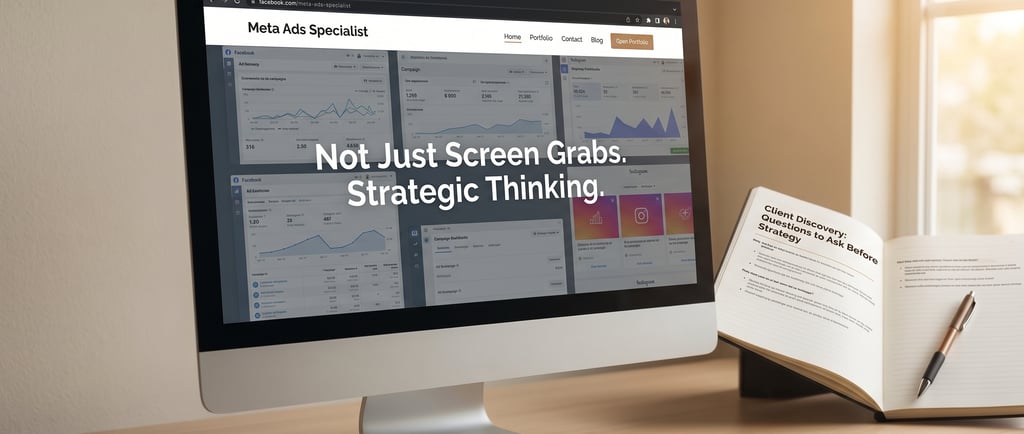

Most people hiring for Meta ads get this backwards. They scan a portfolio for pretty creative, ask about ROAS, and make a decision based on who sounds most confident in the interview. Confidence is cheap. So are screenshots of someone else's best month. Here's what actually matters when you're hiring a Facebook Ads expert, from someone who has sat on both sides of that table.
They should be asking you questions before they say anything about strategy
A Meta ads specialist who pitches you a funnel structure in the first ten minutes hasn't asked enough questions yet. Good paid advertising starts with understanding what you're selling, who wants it, and what happens after someone clicks. If someone jumps straight to "We'll run a broad audience top-of-funnel with retargeting at 30 days," they're reciting a script, not solving your problem. The first conversation should feel more like a discovery session than a sales pitch. If it doesn't, keep looking.
The questions that tell you a lot: What do you need to understand about my business before you'd feel comfortable making recommendations? What does a bad client engagement look like for you? How do you approach a campaign that isn't converting? The answers reveal whether you're dealing with someone who thinks or someone who templates.
Look for people who talk about results in context, not in isolation
Anyone can screenshot a week where their CPA dropped 40%. What you want is someone who can explain why it dropped, what they changed, and what they'd do differently if it happened again. Freelance Facebook advertising is full of people who got lucky once and have been riding that case study ever since.
When reviewing someone's experience, push for specifics. "I reduced cost per lead by 35%" means almost nothing without knowing the starting point, the industry, the budget, and what changed. A genuinely experienced Meta ads specialist will have no trouble walking you through the logic. They'll say things like "we were seeing high CTR but terrible lead quality, so we tightened the audience and rewrote the landing page brief," not just "I optimised the campaign." The process is the proof.
Cross-channel experience matters more than you'd expect
This one catches people off guard. Hiring a Facebook Ads expert who has only ever run Meta is a bit like hiring a tradie who's only ever worked on new builds. Technically competent, but missing a lot of context. The best-paid advertising specialists I know have enough Google Ads or broader PPC experience to understand how intent-driven traffic behaves differently from interruption-based social traffic. That understanding changes how they structure offers, write copy, and set expectations around lead quality.
It also means they'll give you honest advice about channel fit rather than just recommending what they know how to run.
Red flags that are easy to miss
Vague contract terms around reporting. No clear answer on how they'll communicate performance. An unwillingness to discuss campaigns that didn't work. These are not minor admin issues; they're signals about how someone operates when things get difficult.
Also worth watching for: anyone who guarantees specific results before they've audited your account, your offer, or your market. Meta's algorithm has its own opinions, and no amount of experience makes you immune to a rough patch. The honest answer to "what results can I expect?" is always "it depends, and here's what it depends on."
Hiring a Facebook Ads expert well is mostly about hiring a person you'd trust with a real conversation, not just a polished pitch deck. The technical skills are table stakes. The judgment, honesty, and communication are what you're actually paying for.
Contact
Let's chat about your ad goals.
Call
© 2026. All rights reserved.